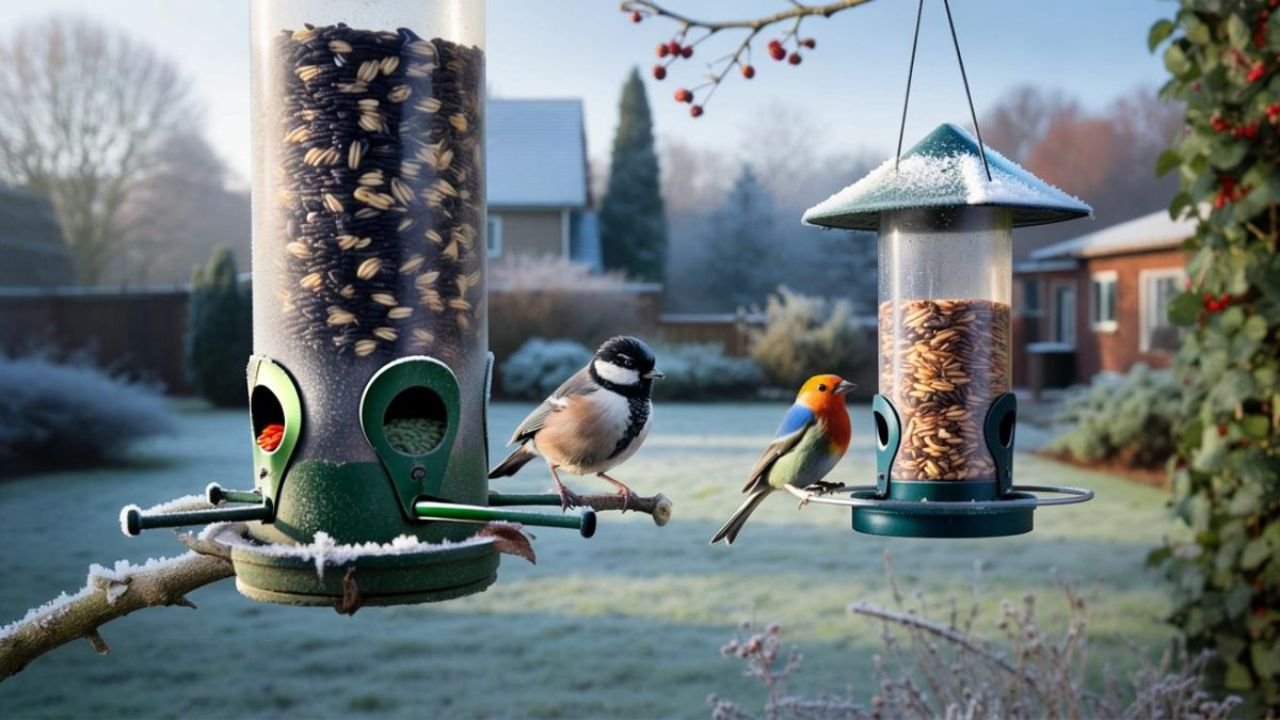
As winter tightens its grip across the Northern Hemisphere, backyard bird feeding transforms from a simple hobby into a vital lifeline for local wildlife. Many of us delight in watching the flurry of activity around feeders, but without careful attention, these acts of kindness can inadvertently put birds at risk. Damp seed, mold growth, and freezing conditions can all compromise the health and survival of these delicate creatures. Understanding how to maintain safe and nutritious feeding stations is essential for anyone dedicated to supporting winter bird populations.
The Hidden Dangers of Moist Seed
A bird feeder is only as good as the seed it holds. Even a small amount of moisture can turn a once-pristine mix into a breeding ground for mold and mildew. These fungi release toxins that can make birds seriously ill, sometimes fatally. Signs of spoilage include clumping, discoloration, or an unusual odor. Beyond the direct health hazards, wet seed loses its nutritional value, leaving birds with empty calories when they most need energy for warmth and survival.

Vigilance is key. Daily inspection and timely replacement of seed can prevent mold-related illness. Opting for water-resistant feeders, cleaning them regularly, and placing them under sheltered areas like eaves or dense foliage helps keep seed dry and safe. Even a simple habit of shaking out moisture or removing debris can significantly reduce the risk of contamination.
When Seed Turns to Ice: The Freezing Trap
Cold weather brings a different set of challenges. Seed left exposed can freeze, creating an impenetrable barrier for birds. Ground feeders are particularly vulnerable, as ice can completely block access to the food beneath. Even birds capable of cracking tough shells may struggle against solid ice.
To combat this, place feeders in locations shielded from wind and snow, and consider heated bird baths to provide a reliable water source. Regularly check for frost or ice formation and gently thaw frozen seed before refilling feeders. Smaller, frequent refills can also prevent large amounts of seed from freezing, ensuring birds always have accessible nourishment.
Choosing the Right Feeders
Investing in high-quality feeders designed to protect against moisture and freezing pays dividends in bird safety and health. Look for models with rain shields, sloped roofs, and water-resistant materials. Placement matters as much as design; feeders positioned under natural or structural cover reduce exposure to snow and rain.
Maintenance is equally crucial. Residue or grime on feeder surfaces can harbor bacteria and fungi, so thorough cleaning with hot water and mild vinegar solution should be part of your regular routine. Though premium feeders come at a higher cost, they offer peace of mind and ensure that your contribution truly supports the survival of local bird populations.
Developing Daily Feeding Habits
A successful winter feeding station relies on consistent habits. Inspect feeders daily or every other day for damp seed, clumping, or frost. Replace spoiled or frozen seed immediately, and clean the feeder thoroughly to prevent microbial buildup. Limiting portions to what birds can consume within one to two days reduces waste and decreases the chance of moisture accumulation.

Observing your birds also helps identify issues early. Sudden changes in activity, unusual behavior, or visible signs of illness may indicate problems with seed quality or feeder hygiene. Quick action can make the difference between life and death for your feathered visitors.
Beyond Feeders: Creating a Bird-Friendly Winter Garden
While feeders are essential, a holistic approach to winter gardening enhances survival and wellbeing. Native plants provide natural shelter, nesting opportunities, and an alternative source of berries, seeds, and insects. Leaving leaf litter, fallen branches, and some areas of the garden undisturbed creates foraging spots and supports the insect populations that many birds rely on.
Providing fresh water is equally important. Heated bird baths or shallow water dishes prevent dehydration, while natural cover ensures birds can safely access resources. A garden that balances feeders with native habitat elements offers a sanctuary that supports birds through the harshest months.
Choosing the Best Seeds for Winter Survival
Not all seeds are created equal. High-energy options like black oil sunflower, nyjer, and safflower seeds provide essential calories and nutrients. Mixes should be fresh, dry, and free from additives or mold-prone fillers. By selecting quality seed, you ensure that each feeding contributes meaningfully to a bird’s energy reserves and overall health.
Final Thoughts
Winter bird feeding is a rewarding practice, but it requires mindfulness and care. Regular inspection of seed, careful feeder placement, and consistent cleaning routines are critical to preventing illness and starvation. Combined with a bird-friendly garden design, these habits create a thriving environment where backyard birds can safely weather the cold months.
By taking these steps, you transform your garden into a sanctuary that not only sustains birds through winter but enriches your connection to nature, providing the joy of watching wildlife flourish in even the harshest conditions.