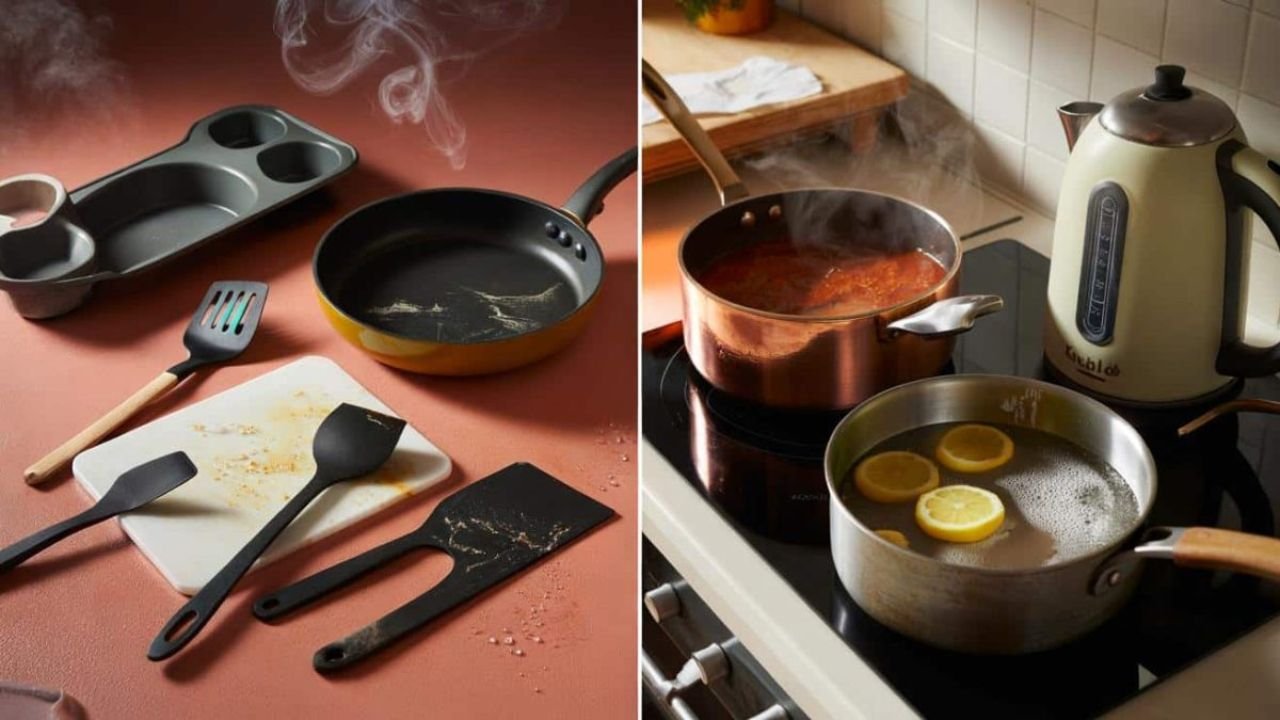
In today’s modern kitchens, convenience often takes center stage. However, hidden within familiar cookware and utensils are chemicals that may pose serious health risks, including cancer. Recent studies have highlighted how everyday kitchen items—from nonstick pans to plastic containers—can leach harmful substances into your food. By understanding the dangers and making informed swaps, you can protect both your family’s health and your peace of mind.
Nonstick Cookware: Convenience at a Cost
Nonstick cookware is prized for easy cleanup and smooth cooking surfaces, but many contain chemicals like perfluorooctanoic acid (PFOA) and perfluorooctane sulfonate (PFOS). These substances have been linked to cancer, thyroid disorders, and reproductive issues.

Over time, high-heat cooking can break down the coating, allowing these chemicals to enter your meals. Safer alternatives include stainless steel, cast iron, or enameled cookware, all of which offer durability without compromising performance or health.
Plastic Containers: Rethink Food Storage
Plastic food storage is ubiquitous, but many containers contain bisphenol A (BPA) or phthalates, chemicals that can migrate into food, particularly when exposed to heat or acidic ingredients. These compounds are associated with breast and prostate cancer as well as hormonal disruption.
To reduce risk, switch to glass or stainless steel containers. Always avoid heating food in plastic and look for products labeled “BPA-free” and “phthalate-free” for added safety.
Wooden Cutting Boards: A Hidden Microbial Threat

Wooden cutting boards are often marketed as eco-friendly, yet their porous surfaces can harbor bacteria in grooves and cuts. Additionally, some boards are treated with chemical sealants that may leach into food over time.
For safer options, consider non-porous materials like bamboo or high-quality plastic cutting boards. Regular cleaning and sanitizing are essential, and replacing boards every few years helps maintain food safety.
Plastic Utensils: Disposable but Risky
Disposable plastic utensils offer convenience, yet many contain phthalates linked to hormone disruption and certain cancers. Exposure increases when utensils contact hot foods or liquids.

Investing in stainless steel or wooden utensils not only minimizes health risks but also reduces environmental waste, creating a safer and more sustainable kitchen.
Aluminum Cookware: Handle With Care
Aluminum cookware is lightweight and affordable, but studies suggest that cooking acidic foods in aluminum pots or pans may allow metal particles to leach into meals. While research is ongoing, there’s a potential link to neurological disorders, including Alzheimer’s disease.
For safer cooking, consider stainless steel, ceramic, or enameled cookware. If aluminum is your choice, replace worn or scratched items promptly and avoid prolonged cooking with highly acidic foods.
Teflon-Coated Bakeware: The Sticky Dilemma
Teflon-coated bakeware, like nonstick pans, can release toxic compounds, including PFOA, when exposed to high heat. Over time, the coating may flake, contaminating your food with potentially carcinogenic chemicals.
Opt for silicone, stainless steel, or enameled bakeware, which deliver excellent performance without compromising safety. Prioritizing non-toxic materials ensures both delicious and safe cooking.
Melamine Dishware: Durable but Deceptive
Melamine dishware is valued for its durability and affordability, but it contains formaldehyde, a known carcinogen. Exposure can increase when hot foods or beverages come into contact with the material.
Safer alternatives include ceramic, glass, or stainless steel dishware. These materials are not only long-lasting but also free from harmful chemical leaching.
Making Safer Choices in the Kitchen
Transitioning to safer kitchen tools doesn’t have to be complicated. Here’s a quick guide to replacing high-risk items with healthier options:
| Kitchen Item | Health Concern | Safer Alternative |
|---|---|---|
| Nonstick Cookware | PFOA and PFOS linked to cancer | Stainless steel, cast iron, enameled |
| Plastic Containers | BPA, phthalates | Glass, stainless steel |
| Wooden Cutting Boards | Bacteria, chemical sealants | Bamboo or plastic cutting boards |
| Plastic Utensils | Phthalates, hormone disruption | Stainless steel, wooden utensils |
| Aluminum Cookware | Potential neurological risks | Stainless steel, ceramic, enameled |
| Teflon Bakeware | PFOA chemicals | Silicone, stainless steel, enameled |
| Melamine Dishware | Formaldehyde | Ceramic, glass, stainless steel |
Long-Term Benefits of Safer Kitchen Tools
Replacing hazardous kitchen items not only reduces chemical exposure but also promotes a sustainable cooking environment. Over time, you’re investing in your health by minimizing the risk of cancer, hormonal imbalance, and neurological disorders. Moreover, reusable and durable alternatives reduce waste, aligning with eco-conscious lifestyles.
Tips for Maintaining a Safe Kitchen
- Inspect cookware and utensils regularly for scratches, cracks, or peeling coatings.
- Avoid high-heat cooking with materials prone to chemical leaching.
- Rotate and replace aging kitchen items according to their lifespan: nonstick pans every 3–5 years, plastics every 2–3 years, and wooden boards every 5–7 years.
- Prioritize transparency when purchasing new products, choosing items labeled “BPA-free,” “phthalate-free,” or “formaldehyde-free.”
Conclusion
Your kitchen should be a sanctuary of creativity, nourishment, and safety. By making informed swaps from cancer-linked items to safer alternatives, you protect both your family’s health and your culinary environment. Investing in high-quality, non-toxic tools is a simple yet powerful step toward long-term well-being, ensuring that the food you prepare nourishes without hidden risks.