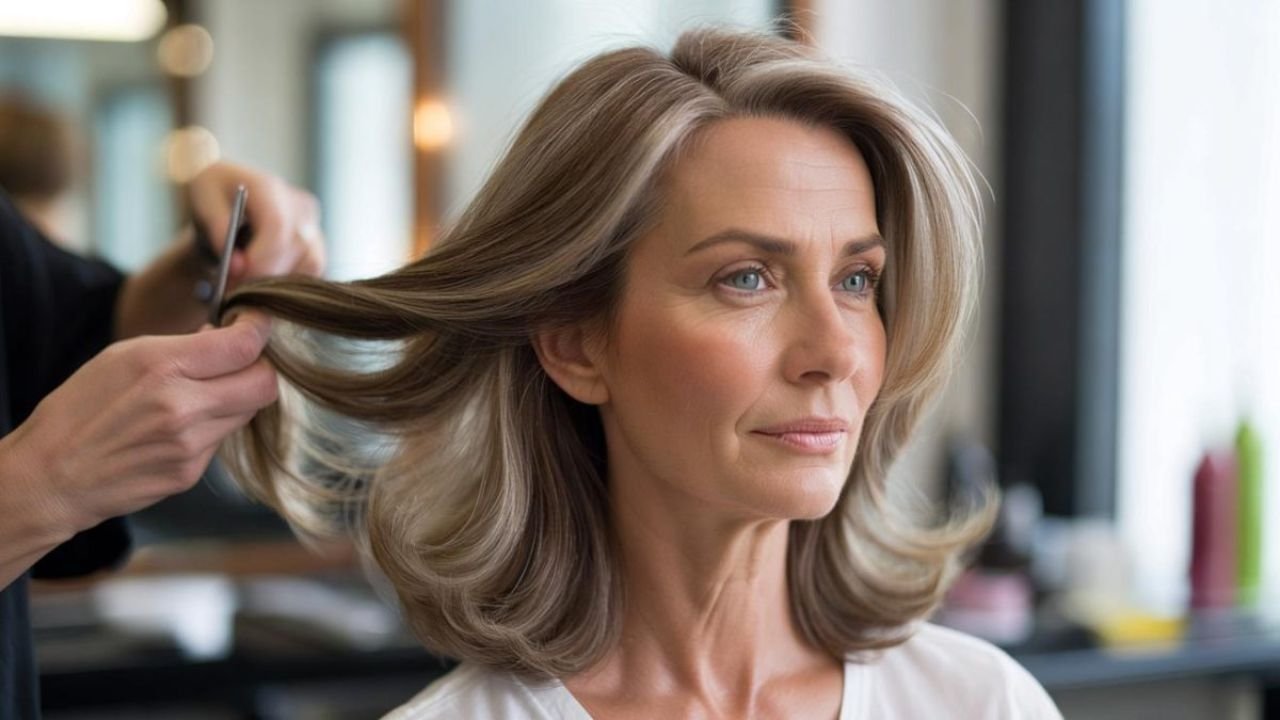
In the ever-evolving world of hair styling, subtle techniques often make the biggest impact. One such approach gaining acclaim in top salons is the internal layers technique, a method designed to breathe life into fine, flat hair. Unlike traditional layering that focuses on visible ends, internal layers work from within, enhancing movement, body, and a natural, voluminous look. For those struggling with limp or thinning hair, this method is proving to be a game-changer.
What Are Internal Layers?
At its core, internal layering is about reshaping the hair’s structure without compromising overall length. Stylists target the mid-lengths and inner sections of hair, rather than just trimming the ends. By carefully snipping and texturizing these inner layers, they create the illusion of density and lift, giving fine hair a fuller, more dynamic appearance.

Unlike traditional layers, which often produce a choppy or highly graduated effect, internal layers result in a seamless, natural look. The hair retains its shape and length while gaining enhanced volume and fluidity, making it ideal for individuals who prefer subtle but effective transformations.
Why Fine Hair Benefits From Internal Layers
Fine hair often struggles with weight and flatness, particularly as we age. Hair can become thinner, lose natural bounce, and appear lifeless. Internal layers address this by:
- Reducing weight: Carefully removing excess density in the inner sections creates a lighter, airier feel.
- Enhancing volume: The mid-lengths and roots are subtly lifted, giving the appearance of thicker hair.
- Preserving length: Unlike heavy traditional layering, this technique maintains the hairstyle’s overall silhouette.
This makes internal layers especially effective for women over 50, or anyone with fine, thinning strands who wants a youthful, voluminous finish without dramatic cuts.
How Internal Layers Are Executed

Executing internal layers requires precision and skill. A stylist will:
- Section the hair: Dividing hair into manageable segments ensures targeted treatment.
- Texturize mid-lengths and roots: Specialized scissors are used to remove weight and add movement from within.
- Monitor balance and symmetry: The stylist adjusts depth and placement to maintain a natural, seamless effect.
The result is a cut that flows naturally, creating lift and dimension where it’s most needed.
Styles That Complement Internal Layers
Internal layers are versatile and can enhance a variety of modern haircuts. Some standout styles include:
- Butterfly Cut: Features delicate, wing-like layers that frame the face and create soft movement.
- Curve Cut: Sweeping layers produce a gentle, face-flattering silhouette that pairs beautifully with internal layering.
- Halo Cut: Layers form a halo effect around the head, adding depth and the illusion of volume.

By combining these styles with internal layers, stylists can elevate even the simplest haircuts into dynamic, full-bodied looks.
Communicating Your Desired Look
Effective communication with your stylist is crucial. Broad terms like “voluminous” or “full-bodied” can be interpreted differently, so focus on specific, action-oriented requests:
- “I’d like to add lift at the roots.”
- “Can we remove weight from the mid-lengths?”
- “I want movement without losing length.”
Providing details about your hair’s current condition, such as flatness or thinning, helps the stylist tailor the internal layers approach precisely to your needs.
Styling Tips to Enhance Internal Layers
Once the cut is complete, styling plays a key role in maximizing volume:
- Use volumizing products: Root-boosting sprays, lightweight mousse, or texturizing creams lift and support inner layers.
- Opt for blow-drying techniques: Gently lifting roots with a round brush emphasizes natural bounce.
- Embrace natural texture: Air-drying or diffusing soft waves enhances movement and dimension.
These techniques amplify the impact of internal layers, creating a look that feels effortlessly full and vibrant.
Who Should Approach Internal Layers With Caution
While internal layers are ideal for fine or flat hair, they may not suit everyone. Individuals with very thick, coarse, or unruly hair might find heavy internal layering increases frizz or complicates styling. Extremely fragile hair may also be prone to breakage if the texturizing is not performed carefully.
In these cases, a more conservative layering strategy or alternative volumizing methods may be preferable. Partnering with a skilled stylist ensures the cut is tailored to your hair type and avoids potential pitfalls.
Key Terms to Know
Understanding the terminology around internal layers can make your salon experience smoother:
| Term | Definition |
|---|---|
| Internal Layers | Cutting technique focusing on inner sections of hair to create volume and movement. |
| Traditional Layers | Conventional approach removing distinct outer sections for a graduated, face-framing effect. |
| Butterfly Cut | Soft, wing-like layers enhancing natural flow and movement. |
| Curve Cut | Sweeping layers creating a gentle, curved silhouette. |
| Halo Cut | Rounded layers framing the head for volume and lift. |
The Transformative Effect
Internal layers are more than a haircut—they’re a strategic approach to revitalizing hair. By reshaping inner layers and enhancing natural movement, this technique provides fine hair with the volume, lift, and liveliness it often lacks. Paired with the right styling methods and products, internal layers deliver a modern, polished, and youthful look that retains the wearer’s preferred length and style.
For anyone seeking a subtle yet transformative change, internal layers are a definitive solution, offering full-bodied hair without compromise.