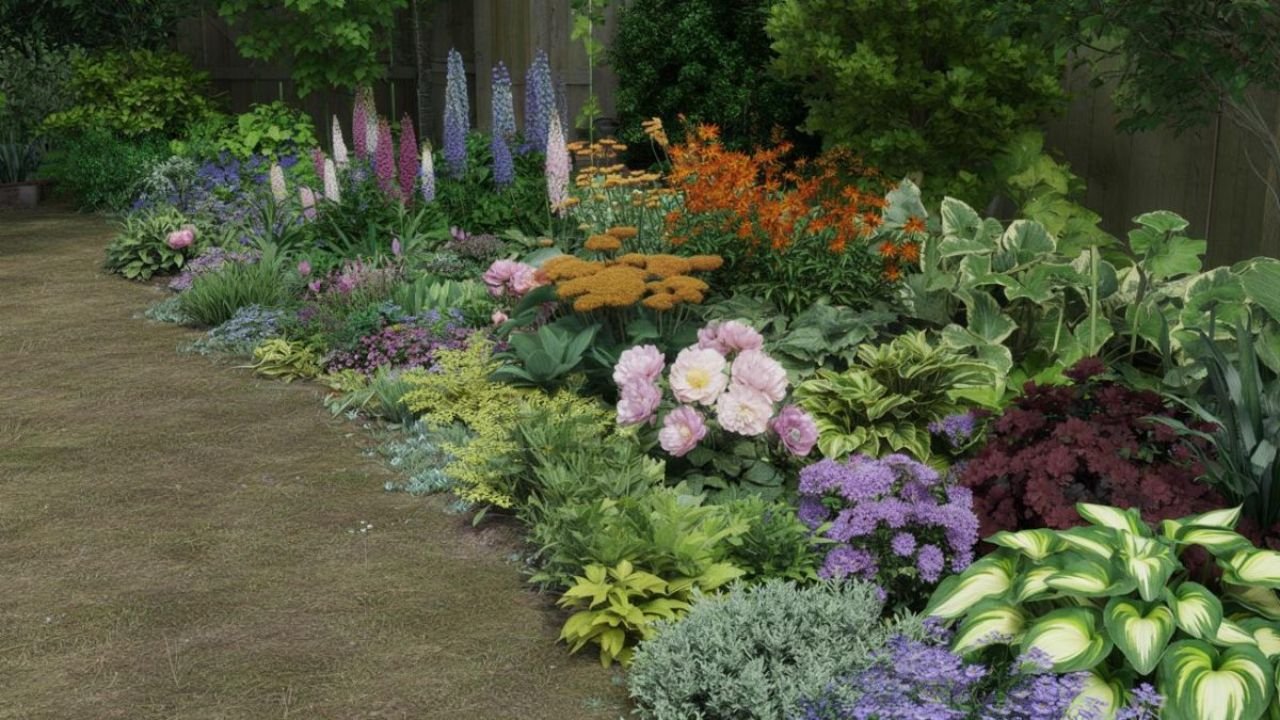
As the chill of winter fades and sunlight begins to warm the soil, gardeners around the world are searching for ways to refresh and elevate their outdoor spaces. One of the most effective solutions lies in perennial plants—hardy, low-maintenance, and long-lasting additions that can deliver instant visual impact while promising years of continued beauty. Planting them now can completely redefine your garden, offering structure, color, and texture that evolves with the seasons.
Why Perennials Are Garden Game-Changers
Perennials are the backbone of a well-designed garden. Unlike annuals, which need to be replanted every year, perennials return season after season, establishing strong root systems and requiring minimal maintenance. This makes them ideal for homeowners seeking a dramatic transformation without the constant labor of replanting.

From vibrant borders to lush shaded retreats, the right perennials can provide depth, texture, and year-round appeal. The key is selecting plants that complement each other in growth habit, bloom time, and color palette.
Preparing the Ground for Lasting Impact
Before planting, soil preparation is essential. Enrich the garden beds with organic matter such as compost or well-rotted manure to improve nutrient content and structure. Loosen compacted soil to encourage root growth and ensure proper drainage. This foundational step gives your perennials the best chance to thrive and reach their full potential.
Once the soil is ready, sketch a rough layout, taking into account sunlight, spacing, and height. Perennials range from compact mounding forms to tall, architectural specimens, so strategic placement can create a layered and visually dynamic landscape.
Creating Striking Sunny Borders

Sunny areas offer the perfect canvas for bold, eye-catching perennials. Consider planting:
- Echinacea (Coneflower) – vibrant, upright blooms that attract pollinators
- Rudbeckia (Black-Eyed Susan) – tall, cheerful yellow flowers for a sunny display
- Baptisia (False Indigo) – strong, architectural stems for structure
- Helenium (Sneezeweed) – branching flowers in fiery reds and oranges
- Lavender – aromatic, compact, and perfect for edging
Mix in plants with contrasting foliage, like the feathery texture of Artemisia or the broad, architectural leaves of Hosta, to add depth and interest. Combining colors, textures, and heights creates a vibrant border that transforms a simple garden edge into a statement feature.
Designing Lush, Shaded Corners
Shade-loving perennials can turn dark, underutilized corners into verdant, serene spaces. Classic options include:
- Hosta – large, sculptural leaves in shades of green, blue, or variegated
- Ferns – graceful, cascading fronds for soft movement
- Astilbe – feathery plumes that add height and lightness
- Brunnera – delicate blue flowers for subtle pops of color
- Dicentra (Bleeding Heart) – arching stems with jewel-toned blooms
Layering these with groundcovers or low-growing perennials creates a textured, multi-dimensional retreat. Consider incorporating evergreen shrubs or dense foliage to provide year-round structure and protection from wind.
15 Perennials to Plant Now
| Perennial | Sunlight Needs | Growth Habit |
|---|---|---|
| Echinacea (Coneflower) | Full sun | Upright, bushy |
| Rudbeckia (Black-Eyed Susan) | Full sun | Tall, upright |
| Baptisia (False Indigo) | Full sun to partial shade | Tall, bushy |
| Helenium (Sneezeweed) | Full sun | Upright, branching |
| Lavender | Full sun | Compact, mounding |
| Peony | Full sun to partial shade | Bushy, upright |
| Hosta | Partial to full shade | Mounding, spreading |
| Fern | Partial to full shade | Spreading, cascading |
| Astilbe | Partial to full shade | Upright, feathery |
| Brunnera | Partial to full shade | Mounding, spreading |
| Dicentra (Bleeding Heart) | Partial to full shade | Mounding, arching |
| Artemisia | Full sun | Mounding, spreading |
| Sedum | Full sun | Upright, succulent |
| Salvia | Full sun | Upright, bushy |
| Phlox | Full sun to partial shade | Upright, spreading |
Strategically combining early, mid-, and late-blooming perennials ensures continuous color throughout the growing season. Taller architectural plants paired with lower groundcovers provide depth, while contrasting foliage textures add interest even when flowers fade.
Low-Maintenance Care That Lasts
One of the biggest advantages of perennials is their minimal maintenance. Once established, most require only:
- Occasional pruning or division every 3–5 years
- Mulching to retain soil moisture
- Light fertilization during the growing season
Many are drought-tolerant or pest-resistant, making them ideal for gardeners seeking beauty without intensive upkeep. Even container gardening can benefit from perennials like lavender, sedum, or phlox, offering long-lasting, low-effort greenery for patios or terraces.
Smart Planting for a Cohesive Garden
Understanding a few key horticultural terms helps make the most of your perennial selection:
- Sunlight needs – full sun, partial, or full shade
- Growth habit – upright, mounding, spreading, or cascading
- Bloom time – early, mid, or late season
Combining these factors ensures a cohesive, harmonious garden that flows naturally from one area to another, offering visual interest year-round.
Enhancing Function and Aesthetics
Beyond beauty, perennials can attract pollinators like bees and butterflies, support local ecosystems, and even deter deer with aromatic or textured foliage. By choosing plants thoughtfully, your garden becomes both a visual masterpiece and a thriving, sustainable environment.
Seasonal Tips and Final Thoughts
- Best planting time: Early spring (March to May)
- Division schedule: Every 3–5 years to rejuvenate growth
- Winter care: Cut back dormant foliage and mulch to protect roots
- Pollinator-friendly: Incorporate flowering perennials like echinacea, lavender, and salvia
With strategic planting, thoughtful combinations, and a focus on low-maintenance perennials, you can achieve a dramatic garden makeover this season. By investing a little time now, your outdoor space will flourish for years to come, offering color, texture, and structure that evolves beautifully through every season.