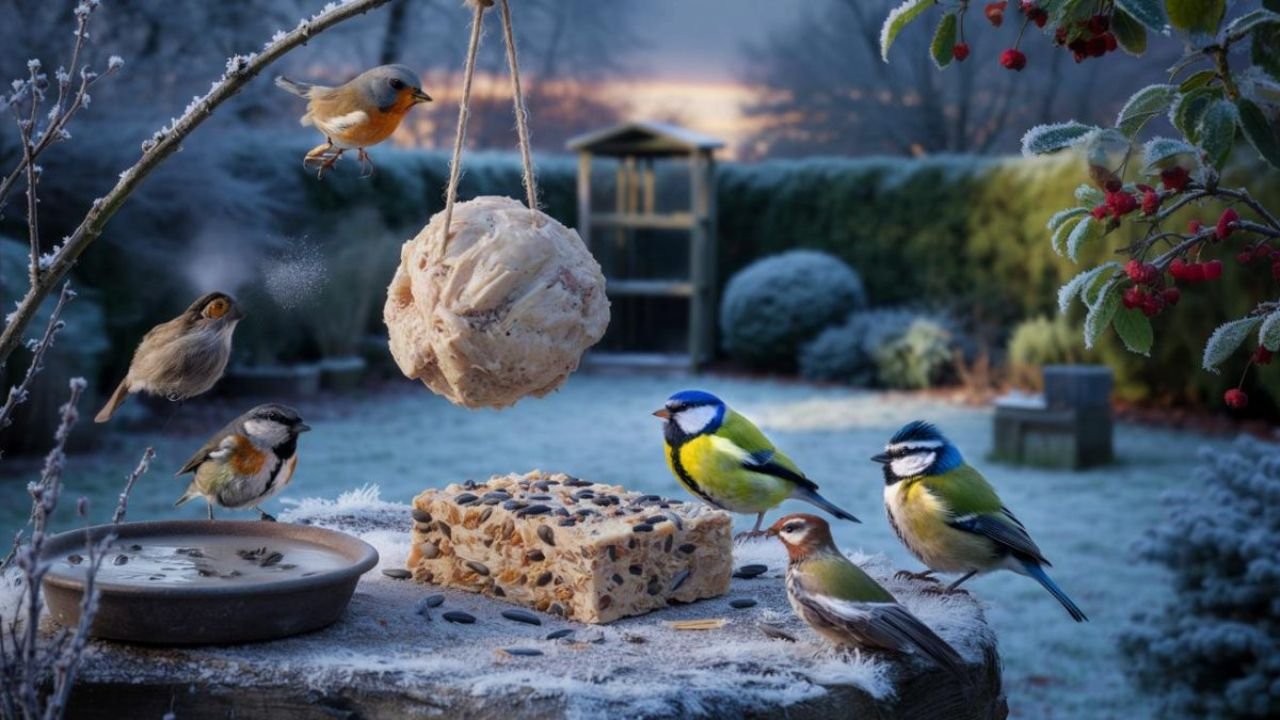
As winter tightens its grip across gardens and parks, countless small birds—from sparrows and tits to finches and wrens—face a silent struggle for survival. With plummeting temperatures and snow-covered grounds, their tiny bodies burn through energy reserves at a remarkable pace, and even a short lapse in nutrition can be life-threatening. For bird lovers and backyard enthusiasts, providing the right type of food can mean the difference between life and death for these resilient creatures.
Why Cold Nights Are Deadly for Small Birds
Unlike larger animals, small birds have a high surface area relative to their body volume, which causes them to lose heat rapidly. To maintain their core temperature during freezing nights, they must constantly metabolize energy, converting fats and carbohydrates into warmth. When natural food sources become scarce due to ice and snow, birds risk hypothermia, especially during prolonged cold snaps or sudden drops in temperature.

Every evening becomes a race against the clock, and providing the right fuel is critical to help these tiny survivors maintain their body heat until daylight returns.
Common Feeding Mistakes That Can Harm Birds
Many well-intentioned humans turn to kitchen scraps—bread, cooked meat, or sugary treats—to feed birds in winter. While these foods may seem helpful, they can actually be counterproductive.
High carbohydrates provide only a short-lived burst of energy, leaving birds depleted and vulnerable shortly afterward. Salt and preservatives in processed foods strain their kidneys and interfere with proper thermoregulation. Over time, this can weaken birds and reduce their ability to withstand freezing temperatures.

The key, therefore, is to focus on a single, highly effective type of nourishment that meets the unique physiological demands of small birds.
The Winter Superfood: Unsalted Fat
The most effective food for sustaining small birds through the coldest nights is unsalted fat. Dense in calories and rich in energy, unsalted fat provides the sustained fuel birds need to restore body warmth over hours of exposure to icy conditions.
Unlike sugary snacks that burn out quickly, fat metabolizes slowly, steadily generating heat to maintain core temperature. It is particularly essential for species that may spend up to 18 hours each day braving freezing air, helping them survive long nights when natural food is scarce.
Preparing and Serving Unsalted Fat

Providing unsalted fat to birds is both simple and accessible for backyard enthusiasts. The most effective options include:
- Suet – a traditional bird-feeding staple
- Lard – natural, unsalted, and calorie-rich
- Rendered bacon fat – ensure it is free of seasonings or additives
To serve, melt the fat and allow it to solidify into cakes or logs. These can then be placed in specialized feeders or scattered safely on the ground. Position feeding stations in sheltered areas, protected from wind and snow, to encourage frequent visits and minimize energy expenditure while feeding.
Beyond Food: Creating a Winter Sanctuary
Feeding alone is not enough. Birds also need shelter, water, and safe resting spots to endure the harshest months. Consider:
- Birdhouses and roosting pouches – insulated spaces to retain warmth
- Evergreen shrubs or dense brush piles – natural protection against wind and predators
- Reliable water sources – heated birdbaths or dripping taps to prevent dehydration
By combining high-calorie fat with a safe and sheltered environment, you transform your garden into a winter refuge where small birds can thrive despite extreme conditions.
Why Unsalted Fat Works Where Seeds and Nuts Fall Short
While seeds and nuts provide nutrition, they lack the calorie density required for rapid heat generation in freezing temperatures. Unsalted fat supplies concentrated energy that allows birds to efficiently metabolize warmth, maintaining their body heat throughout long nights.
Avoid sugary, salty, or processed foods, which disrupt the birds’ metabolic processes and hinder their survival. By focusing on natural, high-fat nourishment, backyard enthusiasts offer the most effective support for these vulnerable creatures.
Observing and Supporting Birds Responsibly
Birdwatchers can monitor local birds for signs of distress: fluffed feathers, lethargy, or frequent visits to feeders indicate the need for additional support. While supplemental feeding is critical during winter, it should complement, not replace, natural foraging. Gradually reducing supplemental fat as spring arrives helps maintain birds’ independence.
Additionally, ensure feeding stations are safe from predators and pets. Specialized feeders or careful placement can reduce competition from larger animals, ensuring small birds have uninterrupted access to this vital winter fuel.
The Broader Impact
Providing unsalted fat to birds is more than a gesture of kindness—it is a tangible way to support the delicate ecosystem of your backyard. These small interventions help birds survive extreme weather, contributing to biodiversity and strengthening the interconnected web of life.
In essence, offering unsalted fat is a powerful demonstration of responsible stewardship, enabling even a modest garden to become a sanctuary where wildlife can thrive despite winter’s harshest nights.
FAQs
What types of unsalted fat are best for birds?
Suet, lard, or rendered bacon fat without additives, seasonings, or preservatives.
How should fat be prepared for birds?
Melt the fat, let it solidify into cakes or logs, and place in sheltered feeders or on the ground.
Can seeds or nuts replace fat in winter?
They can supplement diets but do not provide enough concentrated calories to sustain body heat in severe cold.
How can I support birds beyond feeding?
Provide roosting pouches, birdhouses, dense vegetation, and access to fresh water to create a safe, insulated environment.
Is there a risk of dependency?
Supplemental feeding should support natural foraging, not replace it. Gradually taper as conditions improve in spring.