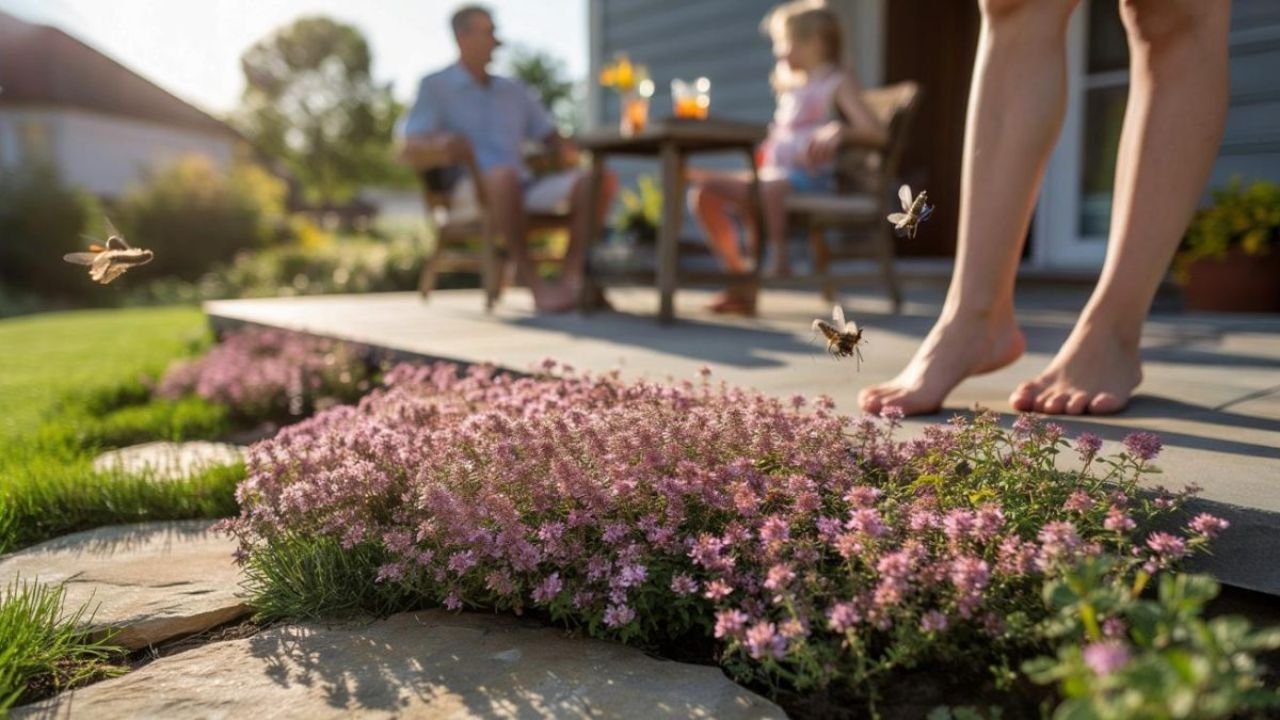
As the warmth of spring begins to linger, gardeners and homeowners alike are seeking innovative ways to enhance their outdoor spaces. One plant is quietly emerging as a standout solution: red creeping thyme. This low-growing, aromatic perennial is more than just a pretty addition to your garden—it repels mosquitoes, thrives with minimal maintenance, and produces a stunning display of color that transforms any landscape.
Why Red Creeping Thyme Is a Must-Have
Red creeping thyme is a versatile ground cover that brings multiple benefits to your garden. Its fragrant, earthy aroma not only delights the senses but also naturally repels mosquitoes and other biting insects. Compounds like thymol and carvacrol found in the plant’s oils are scientifically proven to deter pests, creating a safer and more enjoyable outdoor environment.

Imagine evenings on your patio or garden without the constant annoyance of mosquitoes. With red creeping thyme strategically planted around seating areas, pathways, and garden beds, your outdoor space becomes a haven of aromatic comfort and pest-free enjoyment.
A Carpet of Color and Life
Beyond its mosquito-repelling properties, red creeping thyme is a visual delight. Small, delicate flowers bloom in deep red and purple hues, forming a vibrant carpet that enhances the aesthetic of any garden. Its low-growing, trailing habit makes it ideal for covering ground, creating borders, or cascading over walls and planters.
The flowers also attract pollinators such as bees and butterflies, supporting the local ecosystem while adding dynamic movement and life to your garden. This makes red creeping thyme not just a practical choice, but an environmentally friendly one.
The Ideal Time to Plant

Timing is crucial for establishing a thriving patch of creeping thyme. Spring is the optimal planting season, with the end of the month marking the perfect window for planting. Early planting allows the plant to establish roots, spread effectively, and deliver maximum coverage before the peak mosquito season.
Choose a location that receives at least six hours of sunlight daily. The plant is adaptable to a variety of soil types, preferring well-drained, slightly acidic to neutral soil. Space individual plants approximately 12 inches apart, giving them room to spread and form a dense, continuous mat over time.
Low Maintenance, High Reward
Red creeping thyme is remarkably low-maintenance compared to traditional turf grass. Once established, it requires only occasional trimming or light mowing to maintain a neat appearance. Its drought-tolerant nature means significantly less watering, reducing both labor and garden costs while promoting eco-friendly landscaping.

For gardeners seeking beauty without intensive upkeep, creeping thyme offers an elegant solution. Its vibrant color and rich aroma create visual and sensory appeal with minimal effort, making it perfect for both novice and experienced gardeners.
Versatile Placement Options
Red creeping thyme is incredibly flexible in design applications. It can be used to:
- Cover ground as a lush, low-maintenance alternative to turf grass
- Fill spaces between stepping stones or pavers
- Line pathways and garden borders for a cohesive, natural look
- Spill over retaining walls or raised planter edges for dramatic effect
Whether you want a practical ground cover or an ornamental accent, creeping thyme adapts beautifully to a variety of landscaping needs.
Comparing Mosquito-Repelling Plants
While other plants like citronella or lemongrass also repel mosquitoes, red creeping thyme excels in multiple ways:
| Feature | Red Creeping Thyme | Citronella | Lemongrass |
|---|---|---|---|
| Perennial/Annual | Perennial | Annual | Perennial |
| Maintenance | Low | High | Moderate |
| Mosquito Repellent | Highly effective | Moderate | Moderate |
| Aesthetic Appeal | Vibrant, carpet-like | Limited foliage | Tall, grassy |
| Aroma | Earthy, pleasant | Strong, citrusy | Lemon-like |
Its perennial nature, low maintenance, and visually appealing growth habit make it a superior choice for sustainable, high-impact gardens.
Expert Insights
“Red creeping thyme is a game-changer for the home garden,” says landscape designer Sarah Greenfield. “It delivers vibrant color, natural fragrance, and effective mosquito control with minimal upkeep.”
Dr. Emily Walton, horticulture researcher, adds, “Homeowners are increasingly seeking eco-friendly, water-saving alternatives to traditional turf. Creeping thyme meets all these criteria, making it essential for modern gardens.”
Planting Tips for Success
- Plant in full sun for best growth and flowering
- Ensure well-drained soil to prevent root rot
- Space plants 12 inches apart to allow spreading
- Trim lightly once or twice a year to maintain neatness
- Water sparingly once established; it is drought-tolerant
By following these guidelines, gardeners can enjoy lush, aromatic ground cover with vibrant blooms that last all season.
Transform Your Outdoor Space
Red creeping thyme combines beauty, function, and low maintenance in a single plant. Its ability to deter mosquitoes, attract pollinators, and create a stunning visual impact makes it an indispensable addition to any modern garden. Plant it before the end of the month, and you’ll enjoy a flourishing, fragrant, and pest-free landscape all summer long.
Whether replacing turf grass or enhancing pathways, red creeping thyme is a premium solution for gardeners seeking sustainable, elegant, and effective outdoor landscaping.