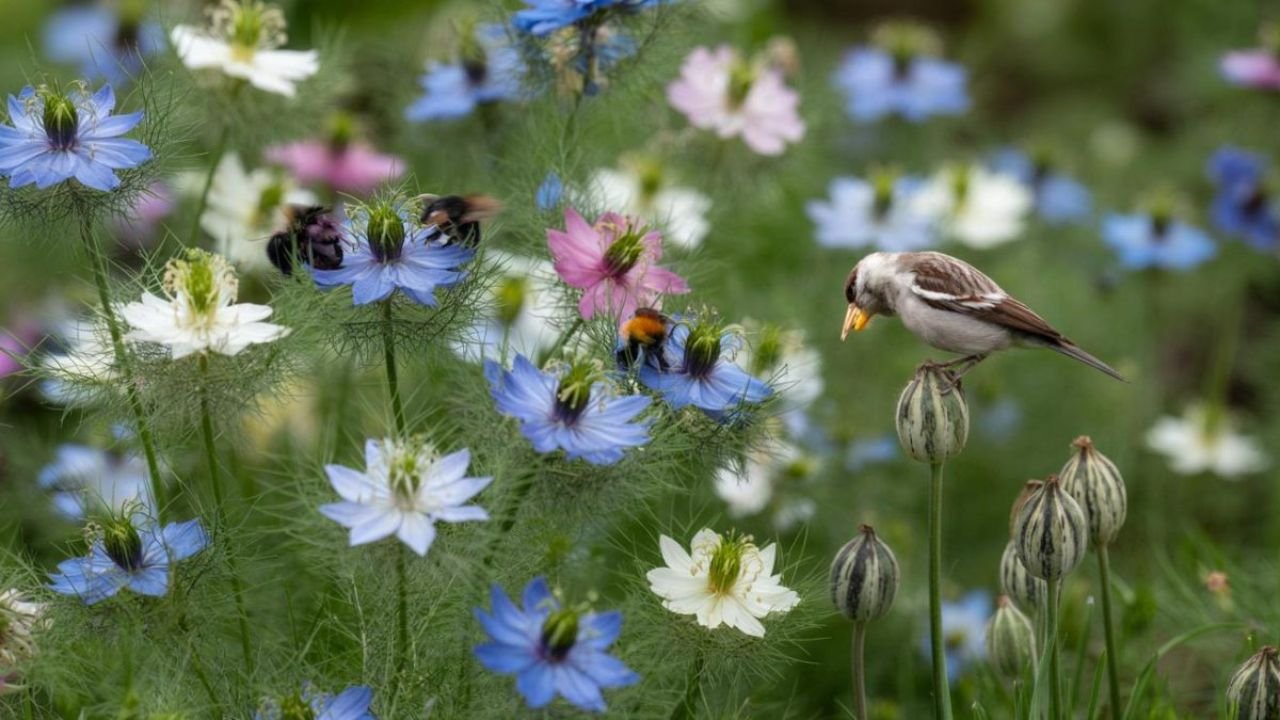
As spring slowly unfolds, gardeners seek plants that not only bring beauty to their outdoor spaces but also support local wildlife. One unassuming annual stands out as the ideal choice for March sowing. With its delicate, slightly wild charm, this plant provides a vital feast for bees and a safe refuge for birds, transforming gardens and balconies alike into vibrant, eco-friendly havens.
Sowing for Success: Where and How to Plant
This versatile annual thrives in a variety of locations, from sprawling gardens to compact urban balconies. For optimal growth, choose a sunny or partially shaded spot with well-draining soil. Sow seeds directly into the ground in March, giving them time to establish strong roots before the warmer months arrive.
Space the seeds 6-12 inches apart to allow each plant room to flourish, creating a natural, abundant display. Lightly rake the soil to cover the seeds and water thoroughly. While germination may take time, the eventual result is a vibrant tapestry of blooms, attracting pollinators and delighting the eye.
Care Through the Season
Once established, this annual is remarkably low-maintenance. Keep soil consistently moist but not waterlogged, and regularly deadhead spent blooms to encourage continuous flowering. As spring progresses into summer, expect a steady display of rich, colorful blossoms that support both plant and wildlife.
By the end of the season, many plants will begin to self-seed, naturally scattering offspring for the following year. This effortless process maintains garden vitality while providing a sustainable food source and shelter for bees and birds.
| Sowing Time | Bloom Period | Sunlight Needs | Soil Type |
|---|---|---|---|
| March | Spring–Fall | Full sun to partial shade | Well-draining, fertile |
Attracting Pollinators and Birds
The real charm of this annual lies in its wildlife benefits. Its nectar-rich flowers offer an early spring food source for bees, butterflies, and hummingbirds, especially when other blooms are scarce. Meanwhile, the plant’s slightly tangled, dense foliage creates an ideal shelter for small birds, providing protection from predators and harsh weather while supporting nesting and breeding.
By planting this annual, gardeners contribute to local ecosystem health, promoting biodiversity while enjoying a lush, colorful display. It’s a simple yet meaningful way to support pollinators and bird populations throughout the season.
Self-Seeding: Nature’s Gift for Effortless Gardening
A standout feature of this March-sown annual is its ability to self-seed. As the plant matures, seed pods naturally burst open, dispersing seeds into the soil. This ensures a continuous presence in your garden year after year without extra effort.

Self-seeding not only maintains visual appeal but also guarantees a reliable source of food and shelter for wildlife. By allowing the plant to regenerate naturally, gardeners enjoy a resilient, low-maintenance display season after season.
Extra Tips and Plant Combinations
To maximize success:
- Avoid deep sowing – seeds require light to germinate effectively.
- Monitor nearby plants – avoid aggressive species that could overshadow the annual.
- Pair with spring bloomers – combine with forget-me-nots, pansies, and violas for contrasting textures and colors that enhance both visual appeal and wildlife support.
Occasional vigilance for pests or diseases, such as aphids or powdery mildew, is sufficient to maintain healthy growth, though this annual is generally hardy and resistant.
Container Gardening and Small Spaces
Even gardeners with limited space can enjoy the benefits of this annual. It thrives in containers and small planters, provided the soil drains well and the plant receives adequate sunlight and consistent watering. This adaptability makes it ideal for balconies, terraces, and urban gardens.
Why This Annual Matters
By sowing this March annual, gardeners create more than just a pretty display—they foster a thriving ecosystem. Pollinators gain nourishment, birds find shelter, and the plant itself establishes a sustainable cycle through self-seeding. Its combination of low-maintenance care, wildlife support, and continuous seasonal appeal makes it a must-have for any eco-conscious garden.
“This charming annual is a true garden gem, offering an abundance of nectar for pollinators and a safe haven for birds. Its self-seeding abilities make it a low-maintenance, high-impact addition for any garden.”
– Dr. Emily Walters, Botanical Researcher
“The self-seeding nature ensures a continuous show of color year after year with minimal effort. It’s the kind of plant every garden deserves.”
– Michael Linden, Horticulture Specialist
Final Thoughts
As March ushers in longer days and the first hints of spring, consider sowing this enchanting annual. Its delicate blooms, wildlife-friendly attributes, and effortless self-seeding make it a standout choice for gardeners seeking beauty and ecological impact. By planting it, you create a feast for bees, a refuge for birds, and a vibrant, sustainable garden display that will flourish season after season.