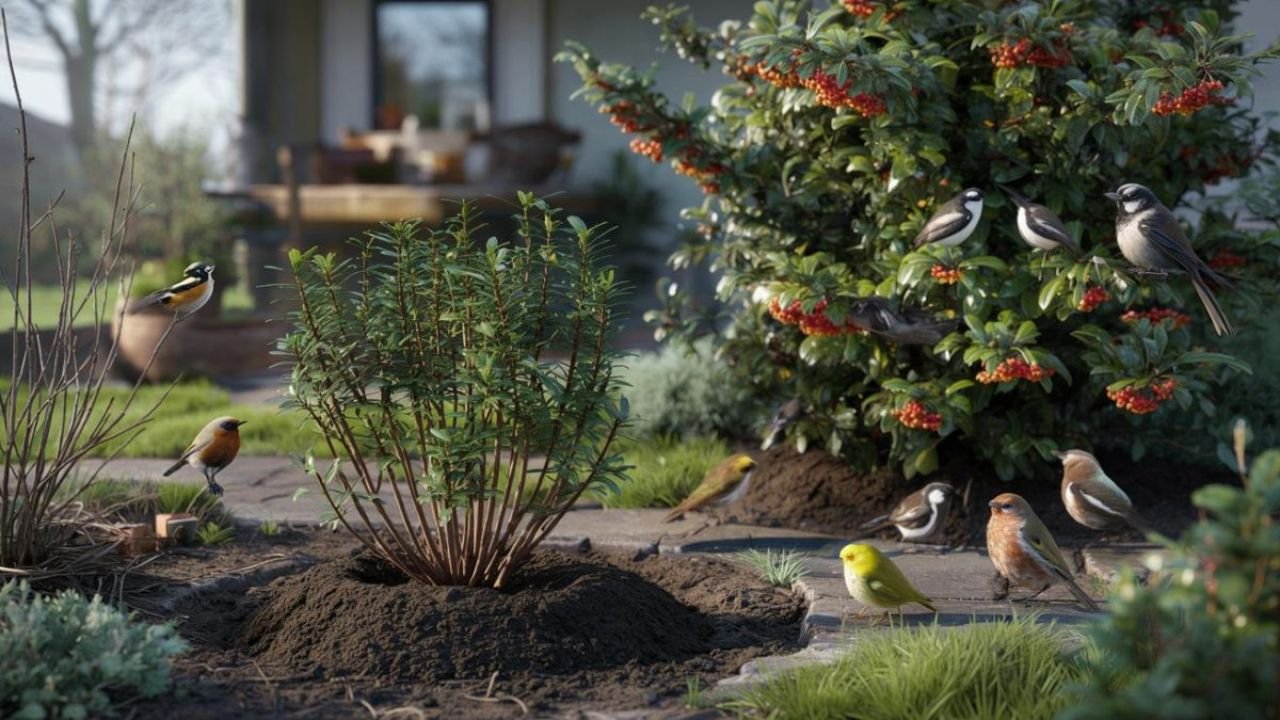
As winter recedes and the first hints of spring brighten the garden, nature enthusiasts have an opportunity to create a sanctuary that will attract a vibrant array of birds. Among the many strategies, one particular approach stands out: planting berry-bearing shrubs in March. This simple yet powerful step can transform any outdoor space into a thriving bird haven, offering food, shelter, and visual delight year-round.
Why Berry Shrubs Are Irresistible to Birds
Berry shrubs combine two critical features that make them magnets for birds: a steady food source and natural protection. These plants, often adorned with protective thorns, provide safe nesting spots and refuge from predators. Their juicy berries ripen at different times, ensuring that birds have access to nourishment throughout the seasons—from late winter through autumn.
The thorns serve a dual purpose: they discourage predators while creating a secure environment where birds can forage, roost, and even raise their young. This combination of sustenance and shelter makes berry shrubs an essential addition for any gardener seeking to support local bird populations.
March: The Ideal Planting Window
Timing is crucial when establishing a berry hedge. March offers optimal conditions for planting, as the soil is warming and retaining moisture, creating a fertile environment for roots to establish. Planting now allows shrubs to take hold before the summer heat arrives, giving them the resilience needed to thrive during drier months.
Moreover, March planting aligns with the natural behavior of returning or emerging birds. As they resume their seasonal activity, they will discover a new, reliable food source, fostering a mutually beneficial relationship between your garden and its avian visitors.
Selecting and Planting Your Berry Shrubs

Choosing the right shrubs is key to creating a bird-friendly garden. Popular varieties include hawthorn, blackthorn, rowan, and holly, each offering unique berries and seasonal interest. A diverse mix ensures that different species of birds are attracted and that fruit is available across multiple months.
When planting, select a sunny spot with well-drained soil. Enrich the area with compost or organic matter to provide a nutrient-rich base. Space shrubs 3–4 feet apart to allow growth and create a dense, interconnected barrier. As they mature, pruning and shaping will help maintain an attractive hedge while maximizing berry production and shelter for birds.
Creating a Garden for All Seasons
Berry shrubs don’t just benefit birds in autumn; their foliage, thorns, and berries provide protection and resources year-round. In summer, the dense canopy offers shade and shelter. In autumn, vibrant berries sustain birds as other food sources decline. In winter, the thorny branches continue to serve as safe roosting spots.

Incorporating berry shrubs into your landscape also enhances the garden’s ecological value. They support pollinators, small mammals, and beneficial insects, creating a lively and interconnected ecosystem. Your garden becomes more than a visual feature—it evolves into a dynamic wildlife habitat.
Tips for Gardeners of All Sizes
Whether you have a compact urban courtyard or a sprawling suburban property, berry shrubs can be adapted to fit your space:
- Small Urban Gardens: Use 2–3 container-grown shrubs near windows or seating areas. Select dwarf or compact varieties and mix species to extend the fruiting season.
- Large Gardens: Plant a continuous hedge using multiple species spaced 3–4 feet apart. Include taller shrubs or small trees for added shelter and vertical interest.
The goal is to create a cohesive, inviting environment that balances aesthetics with wildlife support, ensuring birds feel welcome and secure.
Maintenance for Long-Term Success
Berry shrubs are relatively low-maintenance, but some care ensures optimal performance:
- Watering: Newly planted shrubs need consistent moisture until established. Mature plants are drought-tolerant but benefit from supplemental watering during dry periods.
- Pruning: Late winter or early spring pruning removes dead or damaged branches and encourages healthy growth, enhancing berry yield.
- Pest and Disease Management: Monitor plants regularly. Opt for disease-resistant varieties and consider organic pest control to protect both plants and wildlife.
Container-grown shrubs can be just as effective, especially in small spaces, provided they receive sufficient sunlight, well-draining soil, and regular watering.
Encouraging a Diverse Bird Population
To attract a wider variety of birds, supplement berry shrubs with additional food and habitat features. Seed feeders, suet blocks, and clean water sources complement the berries. Native plants offering nectar, seeds, or shelter further enhance diversity. A garden rich in food, water, and protection becomes an irresistible destination for a broad spectrum of bird species.
Patience and Reward
Berry shrubs take time to establish. Most varieties begin producing reliably after 2–3 years, rewarding gardeners who plan ahead. Once established, they become largely self-sustaining, providing a continual source of food and shelter. The payoff is a dynamic, ever-changing display of life and color in your garden, where birds can thrive and bring joy to your outdoor space.
Conclusion
Planting berry shrubs in March is more than a gardening task—it’s an investment in your garden’s future and the wellbeing of local wildlife. By providing a reliable food source, safe shelter, and year-round ecological benefits, these shrubs transform any outdoor space into a vibrant bird sanctuary. With careful selection, thoughtful planting, and regular maintenance, your garden can become a haven where nature and human enjoyment flourish side by side, season after season.