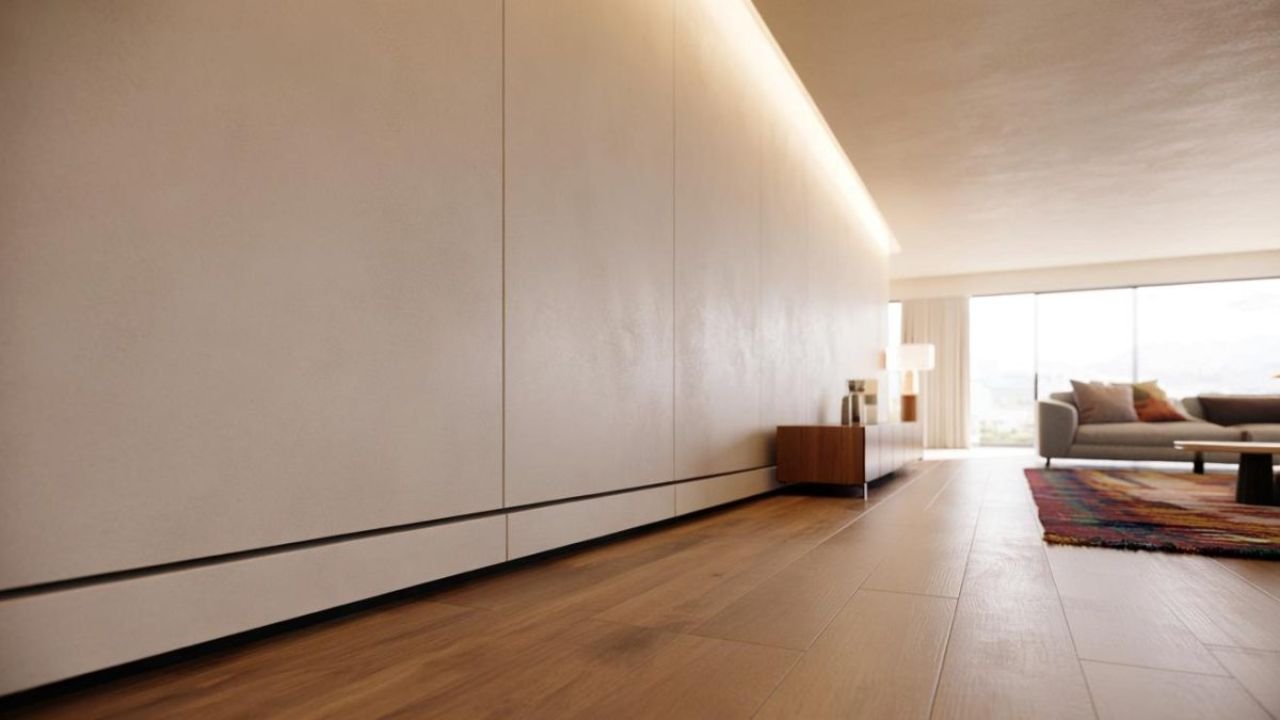
In 2026, a subtle revolution is quietly transforming interior design. The traditional skirting board, once a staple in every home, is increasingly being set aside by architects and designers seeking a more modern, seamless aesthetic. This seemingly small change is redefining the way we experience living spaces, offering homes that feel brighter, airier, and more visually cohesive.
The Rise of the Bare Wall
The decision to forego skirting boards may seem minor, but its impact on interior design is profound. By removing the familiar raised trim along the base of walls, spaces immediately feel cleaner and more expansive. Walls flow uninterrupted, creating a sense of openness that enhances both natural light and spatial perception.

Modern homeowners are drawn to this approach not just for its aesthetic appeal, but for its alignment with contemporary living trends. Open-plan layouts, multifunctional spaces, and minimalistic design philosophies all benefit from the absence of skirting boards, allowing rooms to appear more intentional and refined.
Introducing the “Shadow Gap”
Replacing traditional skirting boards, architects are increasingly adopting a detail known as the shadow gap. This subtle recessed line, typically just a few millimeters wide, runs along the base of a wall and creates the illusion of a floating surface.
The shadow gap offers both form and function. Visually, it maintains a minimalist look while enhancing the perception of space. Practically, it reduces dirt accumulation and minimizes the risk of damage that conventional skirting boards often face. Additionally, it can be tailored to a variety of design styles—from ultra-modern to more classic interiors—offering versatility that fits almost any home.
Planning for a Skirting-Free Home

Eliminating skirting boards is not a last-minute design decision. Architects emphasize careful planning from the earliest stages of construction or renovation. Flooring height, electrical outlet placement, and the integration of various materials must all be meticulously coordinated to ensure a seamless finish.
Collaboration with tradespeople, including flooring installers and electricians, is essential. The absence of skirting boards leaves no margin for error at the wall-floor junction, demanding precision in every aspect of the build. While this level of planning requires extra effort upfront, the resulting aesthetic payoff is substantial—a clean, uninterrupted visual flow that feels both sophisticated and modern.
Boosting Property Value with Minimalism
Beyond aesthetics, the skirting-free approach can enhance a home’s market appeal. Buyers increasingly seek properties that feel open, spacious, and high-end. Removing skirting boards creates an impression of larger rooms and a visually harmonious environment, which can be a compelling selling point.

In addition, the low-maintenance nature of this design resonates with modern homeowners who value functionality alongside elegance. Less cleaning, reduced risk of damage, and a timeless look all contribute to a home that is both beautiful and practical.
When Skirting Boards Are Still Useful
Despite the growing trend toward bare walls, skirting boards are not obsolete. Certain conditions still favor their inclusion:
- Older homes with uneven floors: Skirting boards can conceal irregularities and create a polished finish.
- High-traffic areas: They provide protection against scuffs and knocks.
- Homes with young children: Skirting boards offer an additional buffer against accidental wall damage.
In such scenarios, the functional benefits of skirting boards may outweigh aesthetic considerations, and architects will weigh these factors carefully during the design process.
| When Skirting Boards Make Sense | When to Consider Bare Walls |
|---|---|
| Uneven floors or older homes | New builds or renovations |
| High-traffic areas | Open-concept designs |
| Homes with young children | Minimalist, modern aesthetics |
Design Styles Best Suited for Skirting-Free Spaces
Bare walls excel in modern, minimalist interiors, particularly in open-plan homes where visual continuity is key. Contemporary apartments, luxury renovations, and smart home layouts benefit from uninterrupted surfaces that complement clean lines, sleek furniture, and refined lighting schemes.
The shadow gap adds a discreet, sophisticated finishing touch that maintains a polished look while emphasizing simplicity. It’s a detail that elevates interiors without drawing attention to itself, aligning with the principle of “less is more” that dominates current design thinking.
Challenges and Considerations
Designing without skirting boards requires thoughtful coordination and foresight. Architects must consider:
- Flooring and wall material transitions
- Outlet and baseboard wiring integration
- Durability and maintenance in high-use areas
These considerations demand precise execution, but the result is a timeless, visually striking space that merges aesthetics with practical living.
The Future of Home Design
As minimalism continues to shape interior architecture, the skirting-free approach is likely to become a defining feature of modern homes. Architects and homeowners alike are recognizing the value of uninterrupted surfaces, both for their visual impact and their contribution to functional, low-maintenance living.
“Skirting boards have been a staple for generations, but as our living spaces evolve, it’s time to rethink this element. Eliminating them creates a sense of harmony and fluidity previously unattainable.”
– Jane Doe, Architect and Design Consultant
“The shadow gap is a game-changer. It allows for a minimalist aesthetic while still providing a practical solution for floors and wall transitions.”
– John Smith, Principal Architect, XYZ Design Studio
For forward-thinking architects in 2026, the bare wall is more than a trend—it’s a statement. It embodies a philosophy that values openness, elegance, and thoughtful design, shaping the homes of today and the living spaces of tomorrow.